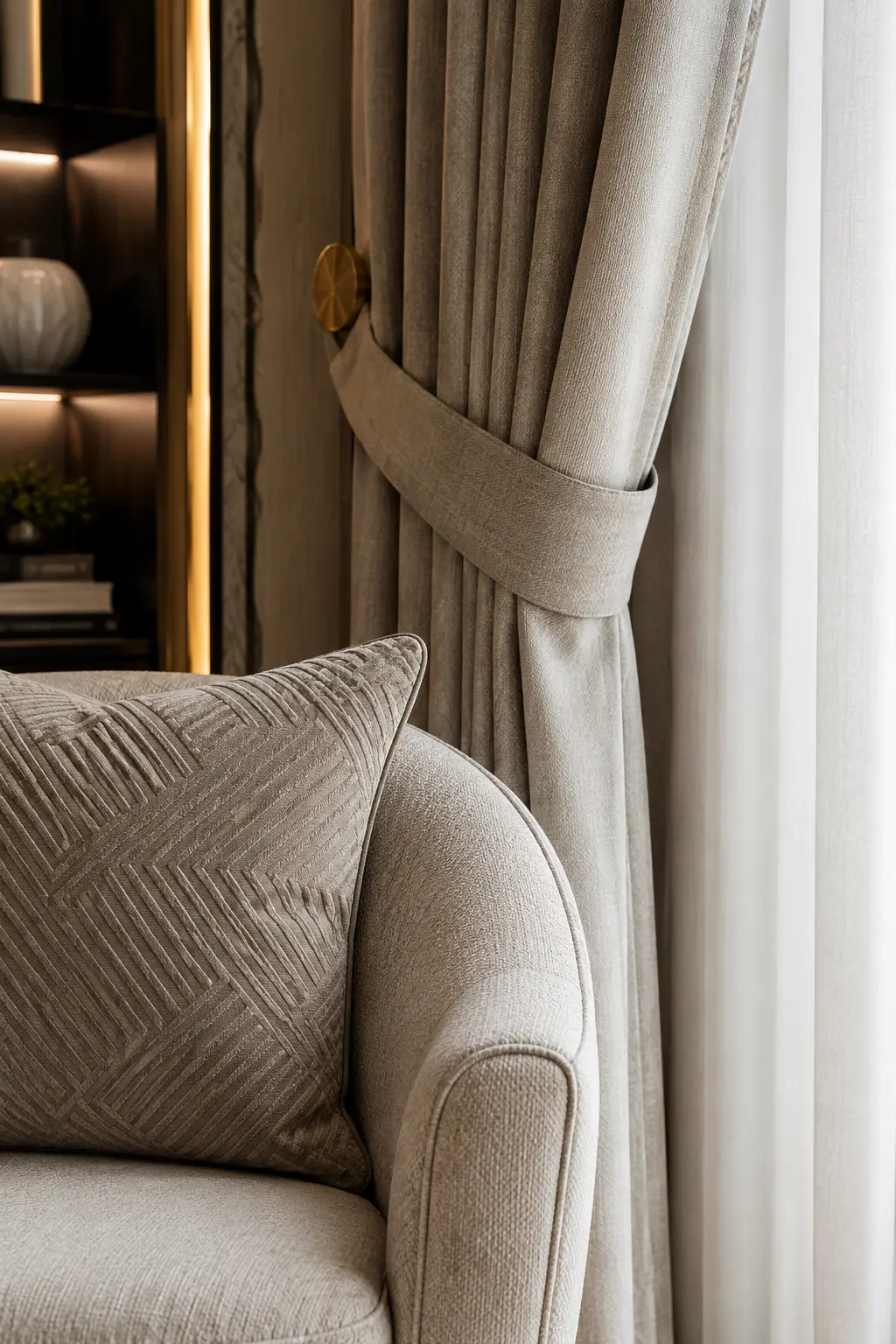
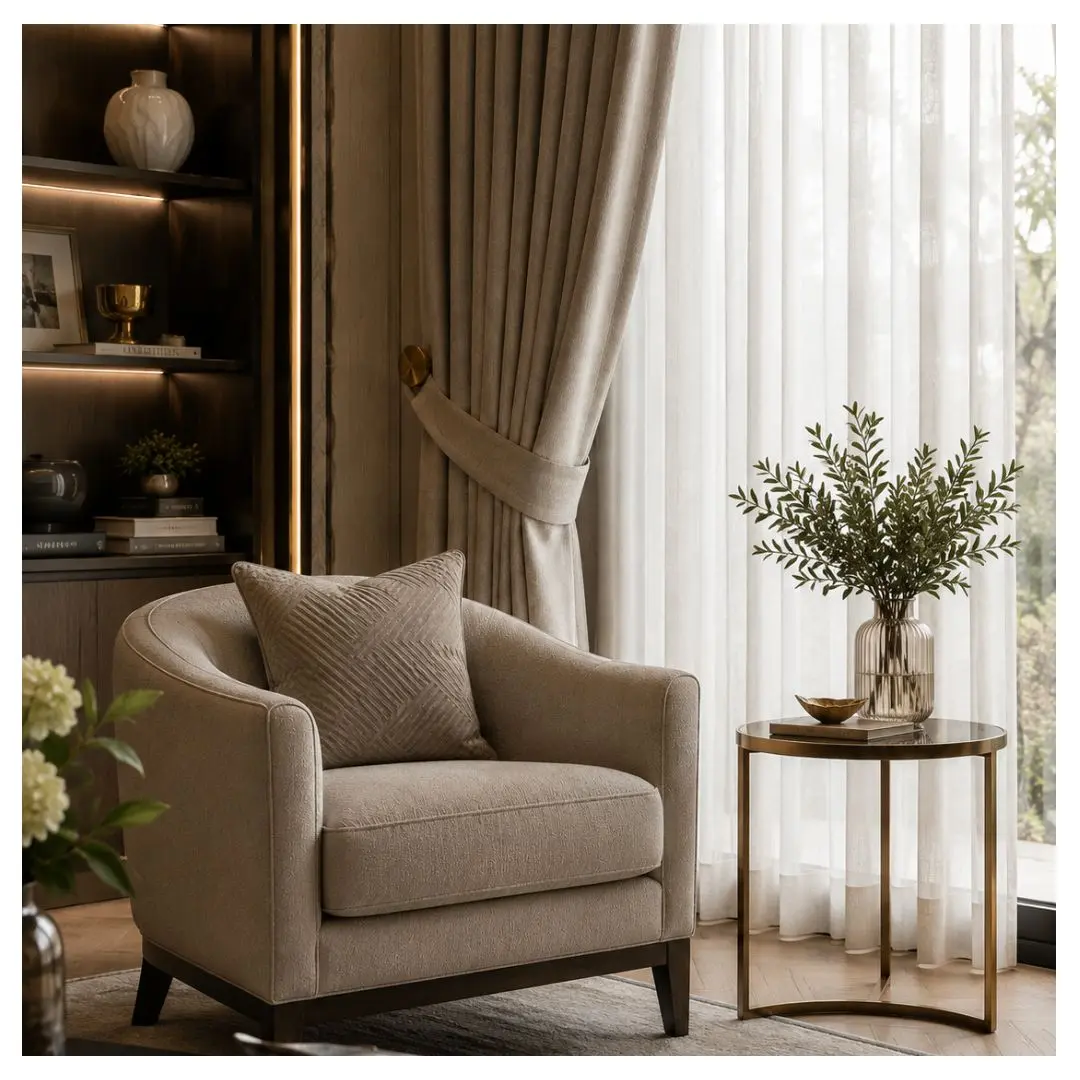
Planning a Home Renovation in 2026
HERE IS WHAT YOU NEED TO KNOW.....
Renovating your home is one of the most exciting investments you can make. Whether you’re modernising an outdated property, creating more space for a growing family, or transforming your dream home into reality, a successful renovation begins long before the first wall is knocked down.
With changing design trends, rising material costs, and new building regulations, planning ahead is more important than ever in 2026.
Important consideration 1
DEFINE YOUR RENOVATION GOALS & BUDGET
Before contacting builders or browsing design inspiration, take some time to establish exactly what you want to achieve. Ask yourself:
- Are you creating more living space?
- Do you want to increase your property’s value?
- Is your family outgrowing the current layout?
- Are you improving functionality or simply updating the style?
Having clear objectives helps shape every decision throughout the project, from budgeting and layouts to finishes and furnishings. The clearer your vision, the smoother the renovation process will be.
One of the biggest mistakes homeowners make is underestimating the true cost of a renovation. Your budget should include much more than just construction work. Remember to factor in:
- Interior design fees
- Building and labour costs
- Flooring and wall finishes
- Kitchen and bathroom installations
- Lighting
- Furniture and décor
- Unexpected expenses
A contingency fund of around 10–20% is always recommended to cover unforeseen issues that may arise during construction. Planning your finances carefully from the outset helps prevent costly surprises later on.

Important consideration 2
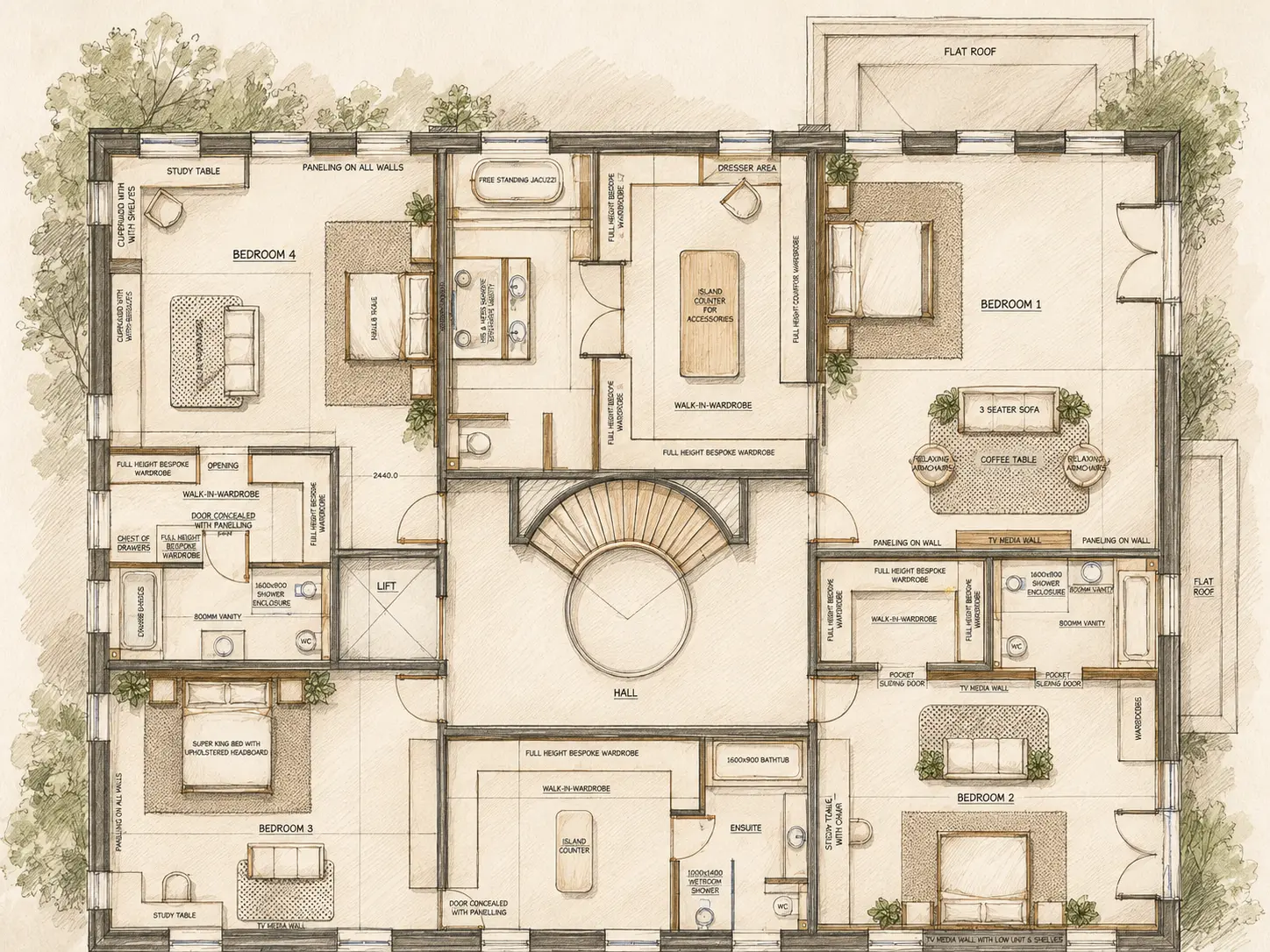
PRIOROTISE YOUR LAYOUT
It’s easy to get excited about choosing paint colours, flooring, and furniture, but none of these decisions matter if the layout doesn’t work. A successful home isn’t just beautiful—it should also be practical and comfortable. Think about:
- Natural light
- Storage solutions
- Room proportions
- Furniture placement
- Daily movement throughout the home
Good space planning forms the foundation of excellent interior design and can completely transform how your home feels and functions.
Important consideration 3
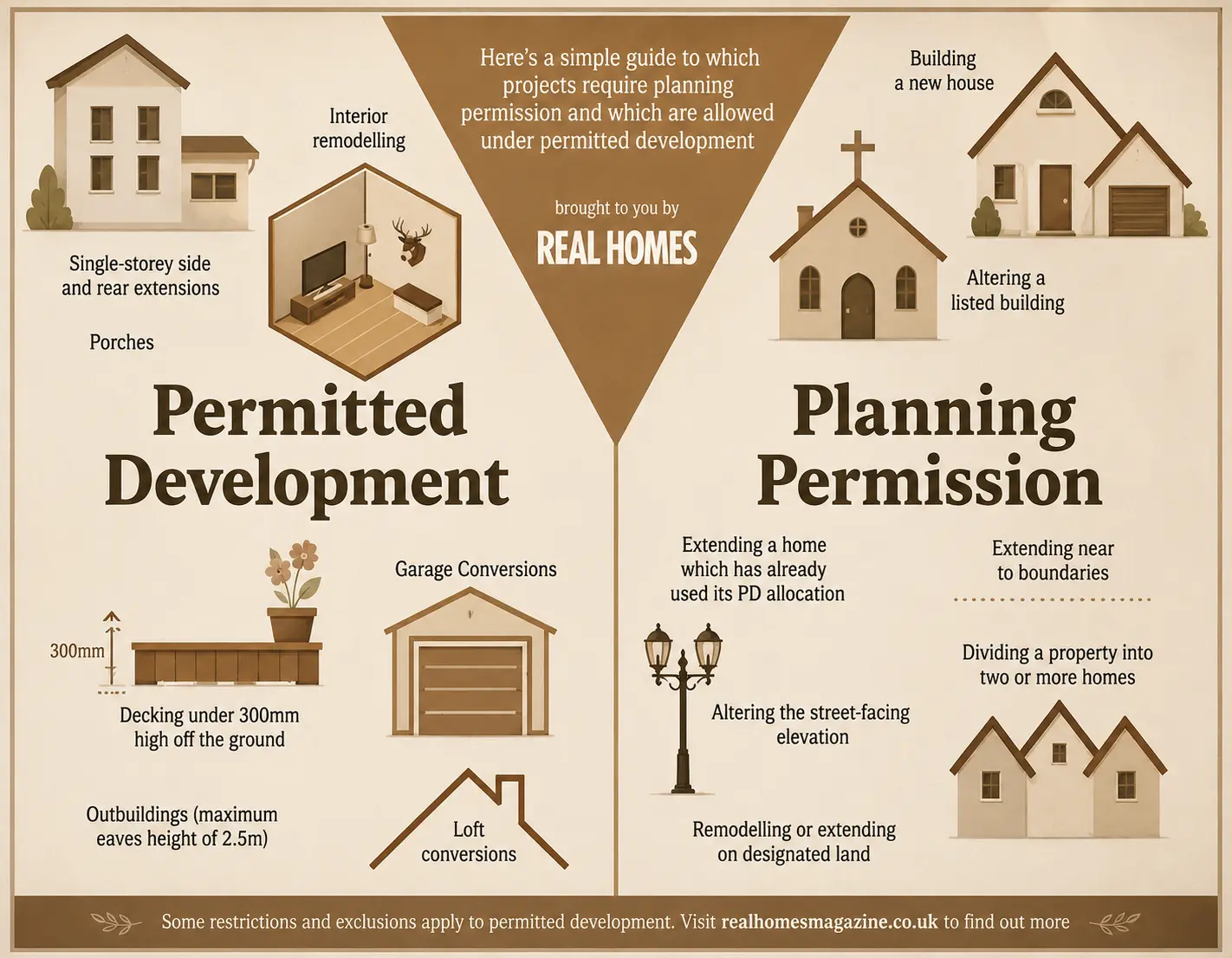
UNDERSTAND PLANNING PERMISSION & HOW IT AFFECTS YOU
Not every renovation project requires planning permission, but many alterations must comply with UK Building Regulations. Projects such as:
- House extensions
- Loft conversions
- Garage conversions
- Structural wall removals
- Major electrical or plumbing works may require approvals before work begins.
Seeking professional advice early in the planning stage can help avoid delays, unexpected costs, and compliance issues further down the line.
Important consideration 4
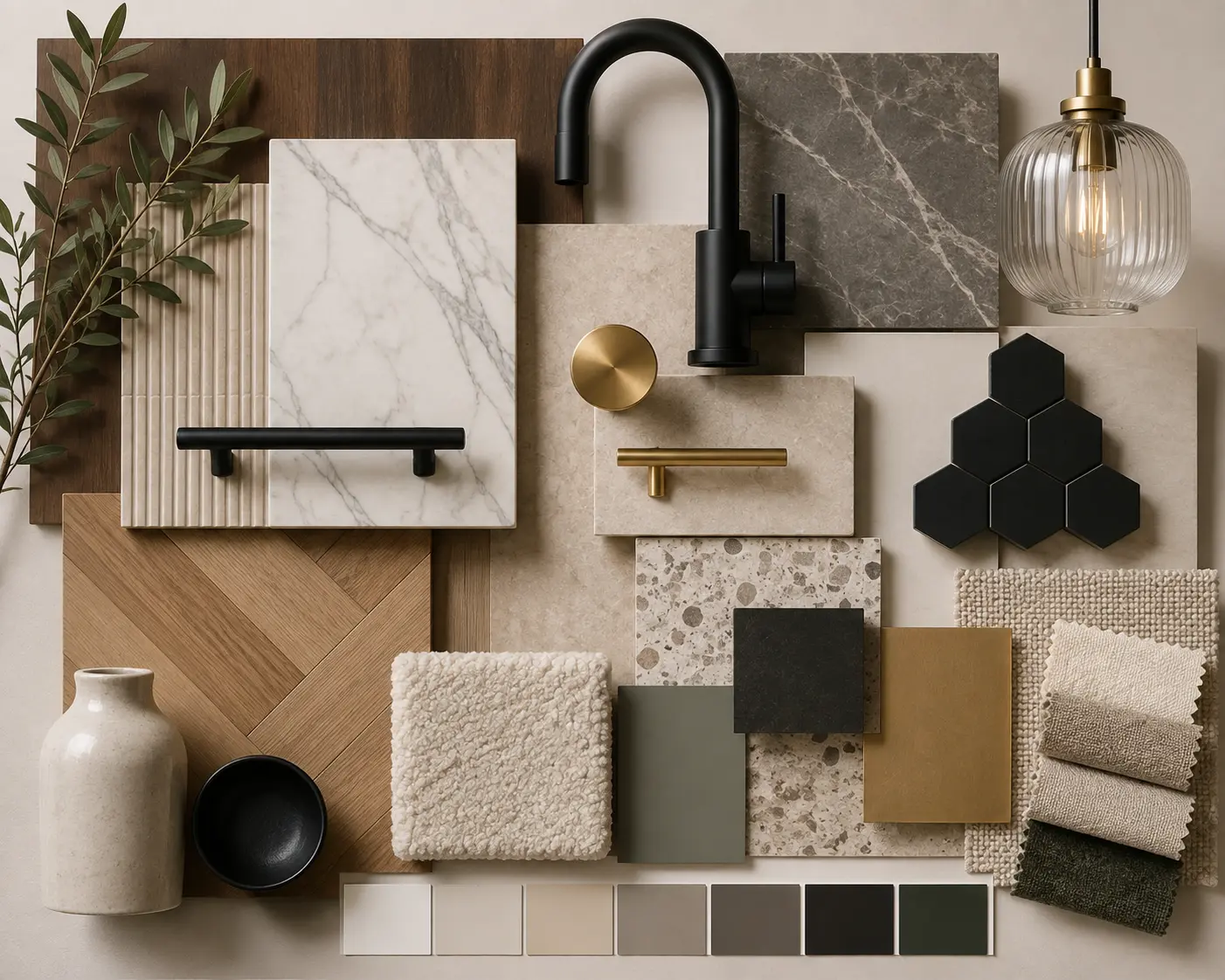
INVEST IN QUALITY MATERIALS
While it can be tempting to choose the cheapest options, investing in quality materials usually pays off in the long run.
High-quality flooring, worktops, cabinetry, lighting, and fixtures tend to last longer, require less maintenance, and retain their appearance for years to come.
Timeless materials also age better than fast-moving trends, giving your home a sophisticated look that won’t quickly go out of style.
Important consideration 5
DESIGN YOUR SPACE FOR THE FUTURE
Your home should meet your needs today while also adapting to your future lifestyle. Consider questions such as:
- Will your family grow?
- Could you be working from home permanently?
- Do you need additional storage?
- Would improved accessibility benefit you later?
- Are energy-efficient upgrades worth including now?
Future-proofing your renovation can help you avoid further expensive alterations in the years ahead.
Important consideration 6
WORK WITH EXPERIENCED DESIGN PROFESSIONALS
A successful renovation involves far more than selecting finishes and furniture. Working with an experienced interior design studio can help you:
- Create practical layouts
- Produce detailed technical drawings
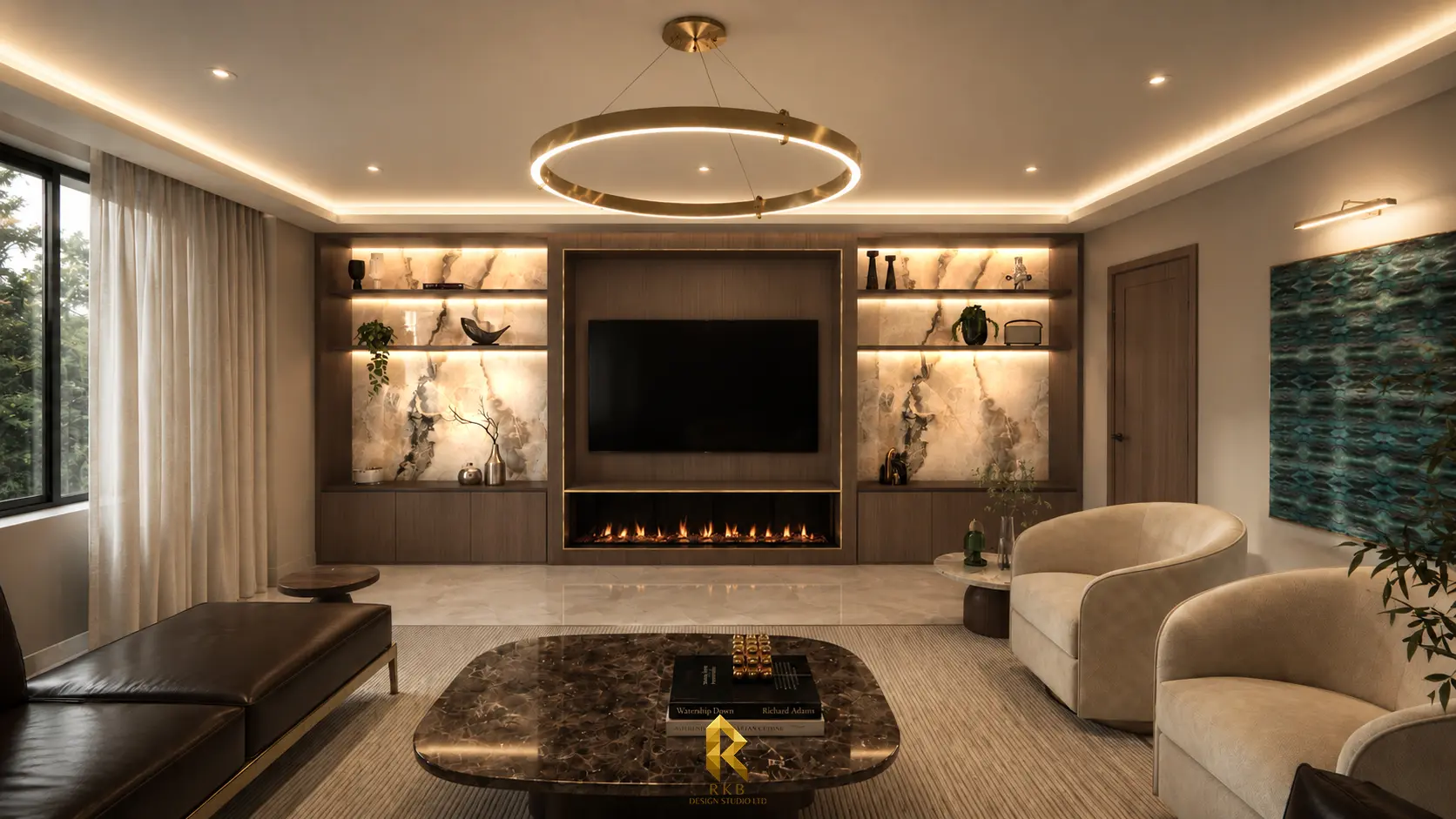
- Visualise your space using realistic 3D designs
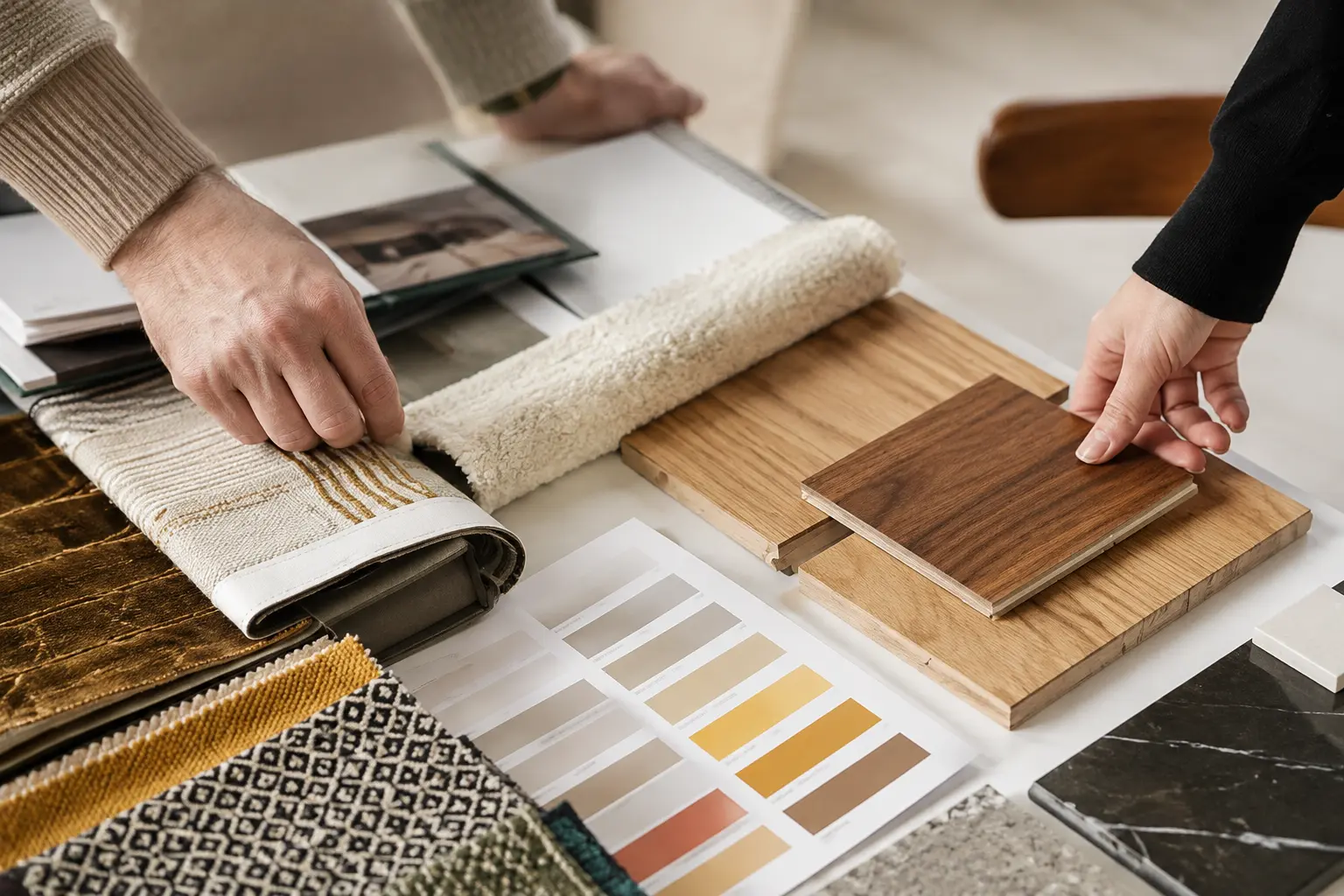
- Select materials and finishes
- Coordinate contractors and suppliers
- Keep your project organised from concept to completion
Professional planning not only improves the final result but can also minimise costly design mistakes before construction begins.
Important consideration 7
DO NOT OVERLOOK FINISHING TOUCHES
Once the construction work is complete, it’s the finishing details that truly bring a home to life.
Lighting, soft furnishings, artwork, window treatments, colour palettes, and carefully selected accessories all contribute to creating a cohesive and welcoming space.
These final elements are often what transform a renovated property into a home that feels personal, functional, and beautifully designed.